Fellow Profile: Zach Dean

- G-TEAMS Cohort: 2011-12
- Graduate Program: Biomedical Engineering
- Teacher Partner: Ginger Ververelli
- School: Tucson High Magnet School
- Grade level: 9-12
- Topics: Algebra I and College Algebra
"It's what you learn after you know it all that counts." - John Wooden
John Wooden was full of great quotes; however, this particular quote shows that in everything you do you never stop learning. While we sometimes look at work as something negative it is important to realize that we always get something out of it. Even when we make a mistake we can learn what NOT to do.
Research Interests
Zach Dean is a graduate student in the Biomedical Engineering Graduate Interdisciplinary Program at the University of Arizona. His research interests are in the area of cancer, wound healing, biomedical device design, and micro- and nano- technology. Zach has received his bachelors degree in Biosystems Engineering from the University of Arizona and masters degree in Biomedical Engineering from the University of Arizona.
Classroom Activities
Zach is teaching at Tucson High Magnet School with Ginger Ververelli, the school's math department head. Zach’s goals for his classroom involvement include:
- Relating class material to real-world applications. For example, during one activity the Ginger and Zach had the students in the class drop bouncy-balls from varying heights. While the time to hit the ground isn't linear with varying start height, the rebound height of the ball is linear. Students were asked, "What if the ball was dropped from even higher than the classroom ceiling?" Can you find out the rebound height from an equation?
- Building a diverse connection between math and science. As a student in biomedical engineering, Zach has studied a wide variety of subjects; this allows him to bring in material from new subjects every week. Seeing math applied in a variety of fields helps students match their interests to the material covered in class. For example, we can use graphs of the heart's filled volume versus the pressure inside to tell if a patient's heart is beginning to fail.
- Exploring the experimental side of math/science/Proving math concepts through activities. Forces act on every object in the world, whether a plane is kept in the air by a combination of the Bernoulli Principle and the force of air under the wing, or whether we go to lift something heavy (like a desk), visualizing forces can be used to find the our abilities and limitations in everyday life. For example, the amount of weight that can be lifted by a muscle is directly related to the size of the muscle (cross-sectional size); therefore, we can (somewhat) predict who will win the Olympics weight-lifting contests by measuring the size of their muscles! One future activity in regards to forces in the classroom involves showing the students how water stays inside a cup of water if it's squng over someone's head in a circular motion; the centripetal force keeps not only the water in the glass, but also keeps the glass on the pendulum.
Lessons Learned
Working with students at Tucson High and observing Mrs. Ververelli has greatly improved my ability to communicate mathematical ideas as well as improve my ability to hold the attention of a group. Previously, much of my teaching was done in a laboratory setting, so learning to make lessons interesting and different has been a big focus of my time at Tucson High.
In addition, teaching high schoolers is very different than teaching middle schoolers like I did last year. I've therefore shifted the focus of my lessons toward more career-goal type lessons. I also want to get the students thinking about finances more, which has involved a stock market activity in the classroom; the students are given fake money and told to invest it in stocks. A little-known way to invest is to put your money in the Wilshire 5000, which is analogous to investing your money in the entire stock market at once. This is a much less-risky investment than investing in just one or a few companies because (regardless of our recent hard financial times) the stock market almost always goes up in the long run.
Teaching Materials
- Introductory Presentations
- Stock Market Activity
- Problems of the Week
- Other Teaching Materials
- Lesson on Forces (PPT)
- Linear Correlations Spreadsheet (EXCEL)
- Word problems on linear equations (DOC)
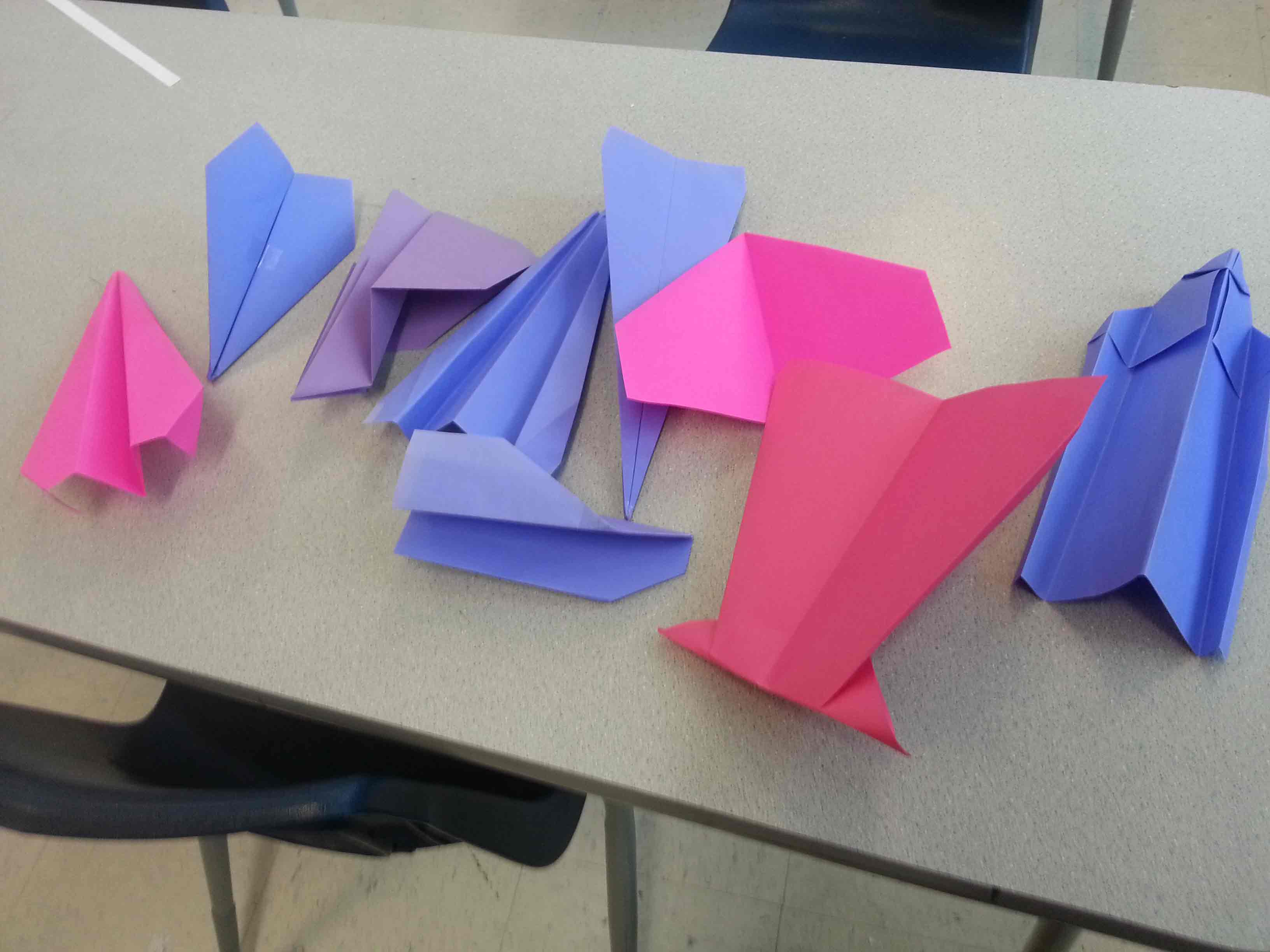
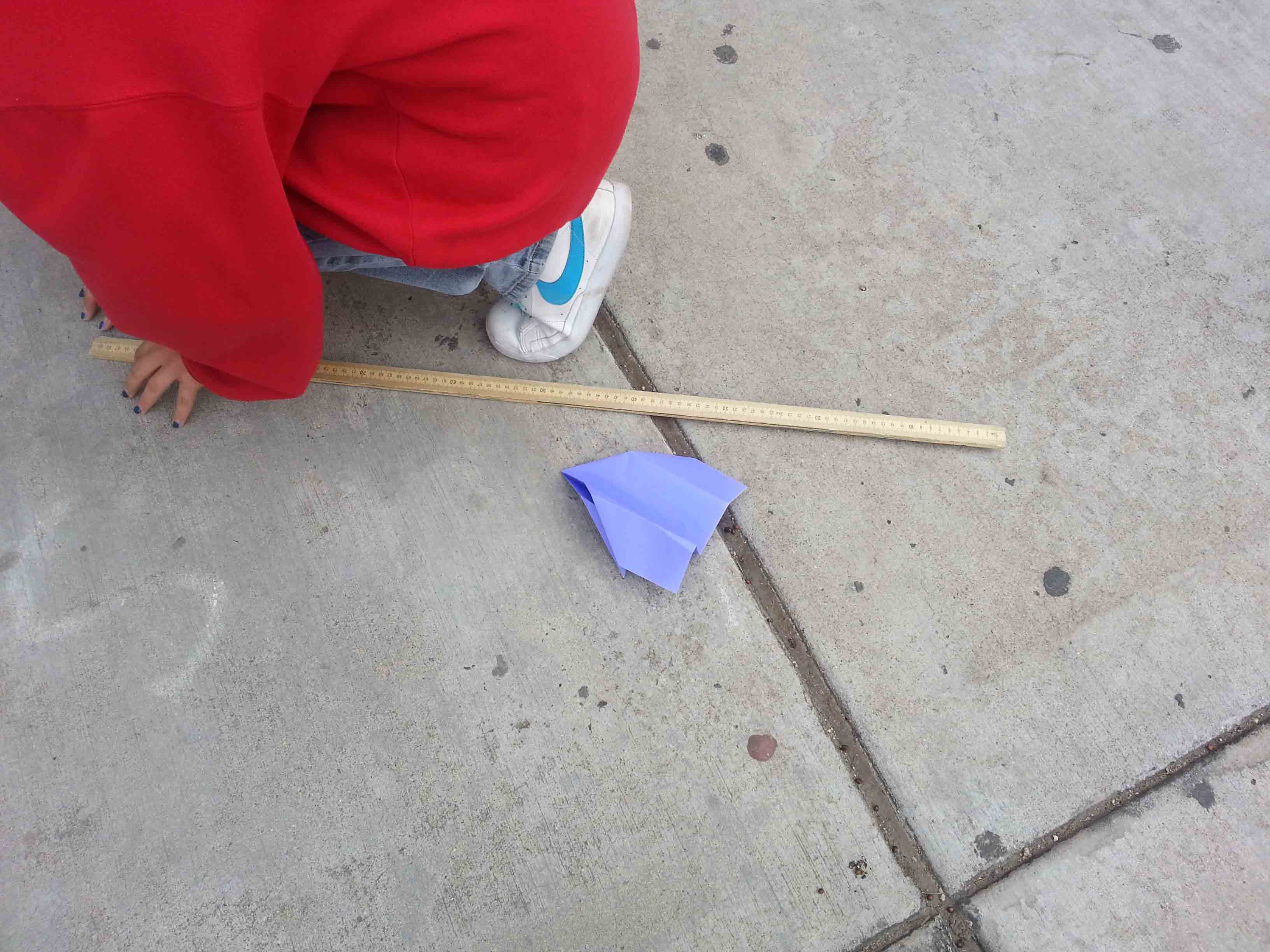
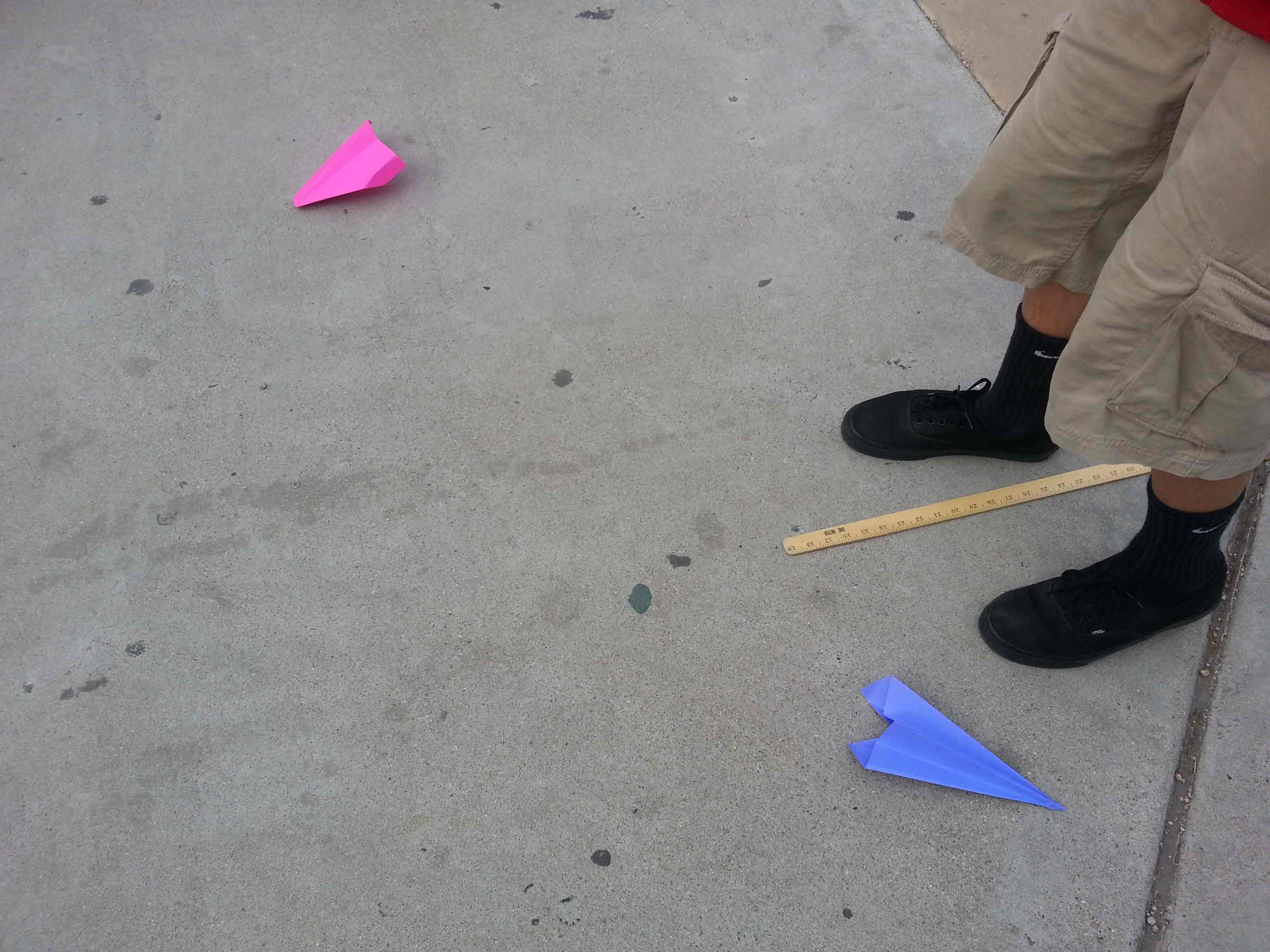
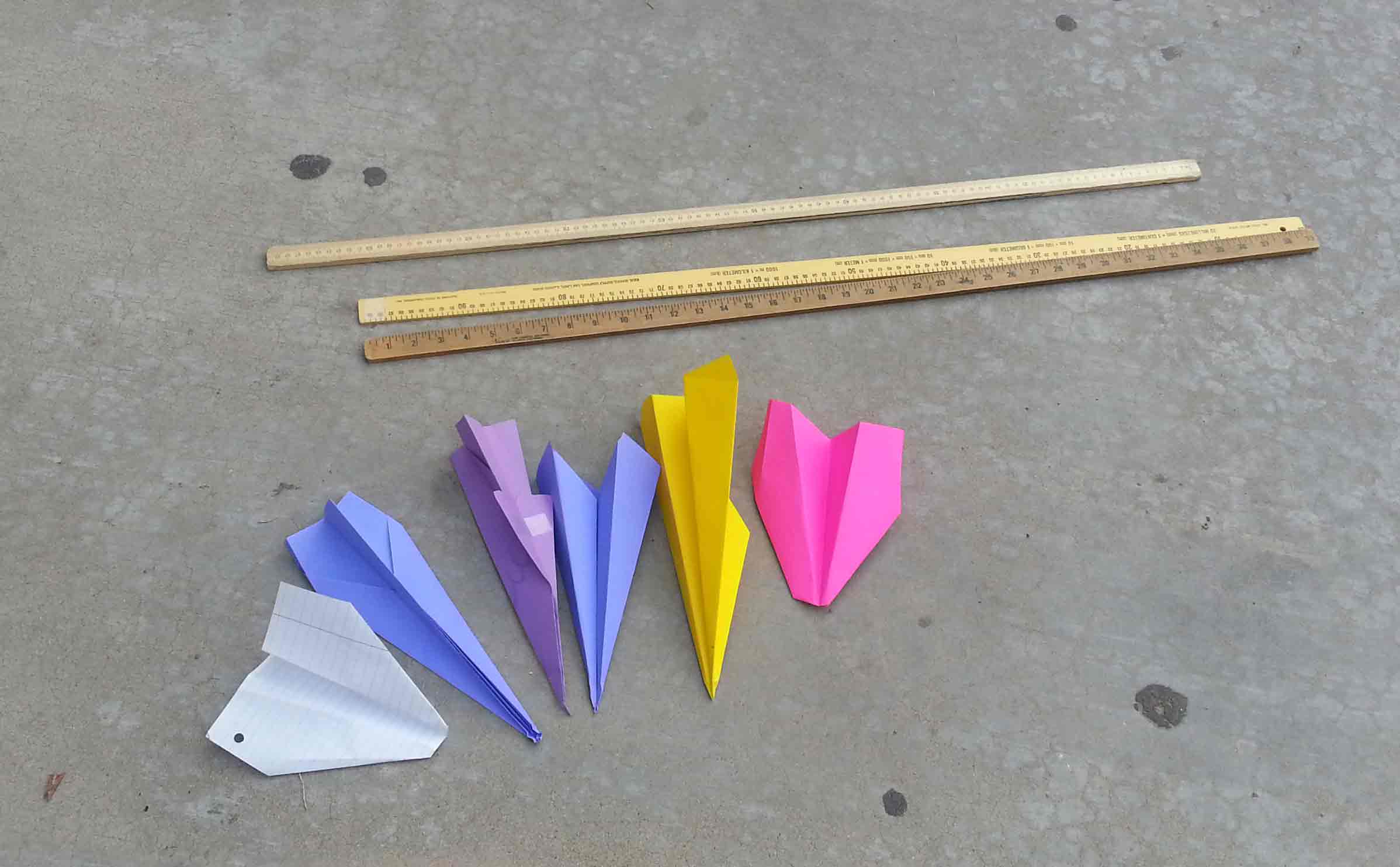
- Paper Airplanes Activity
- Discussion (PDF)
- Photos