

Welcome
I am a mathematical biologist interested in the evolution of
ecosystem structure and
patterns of species abundance and diversity. I am currently
postdoctoral researcher in Annette
Ostling's Lab
in the department of
Ecology and Evolutionary Biology at the University of Michigan, and I
am currently visiting at Tulane University's Center for Computational
Science. I also have ongoing collaborations with the Pacific Ecoinformatics and
Computational Ecology Lab in Berkeley, CA. I study the dynamics and
evolution of
competition and predator-prey
relationships using networks, differential and difference
equations, stochastic models, and evolutionary game theory.
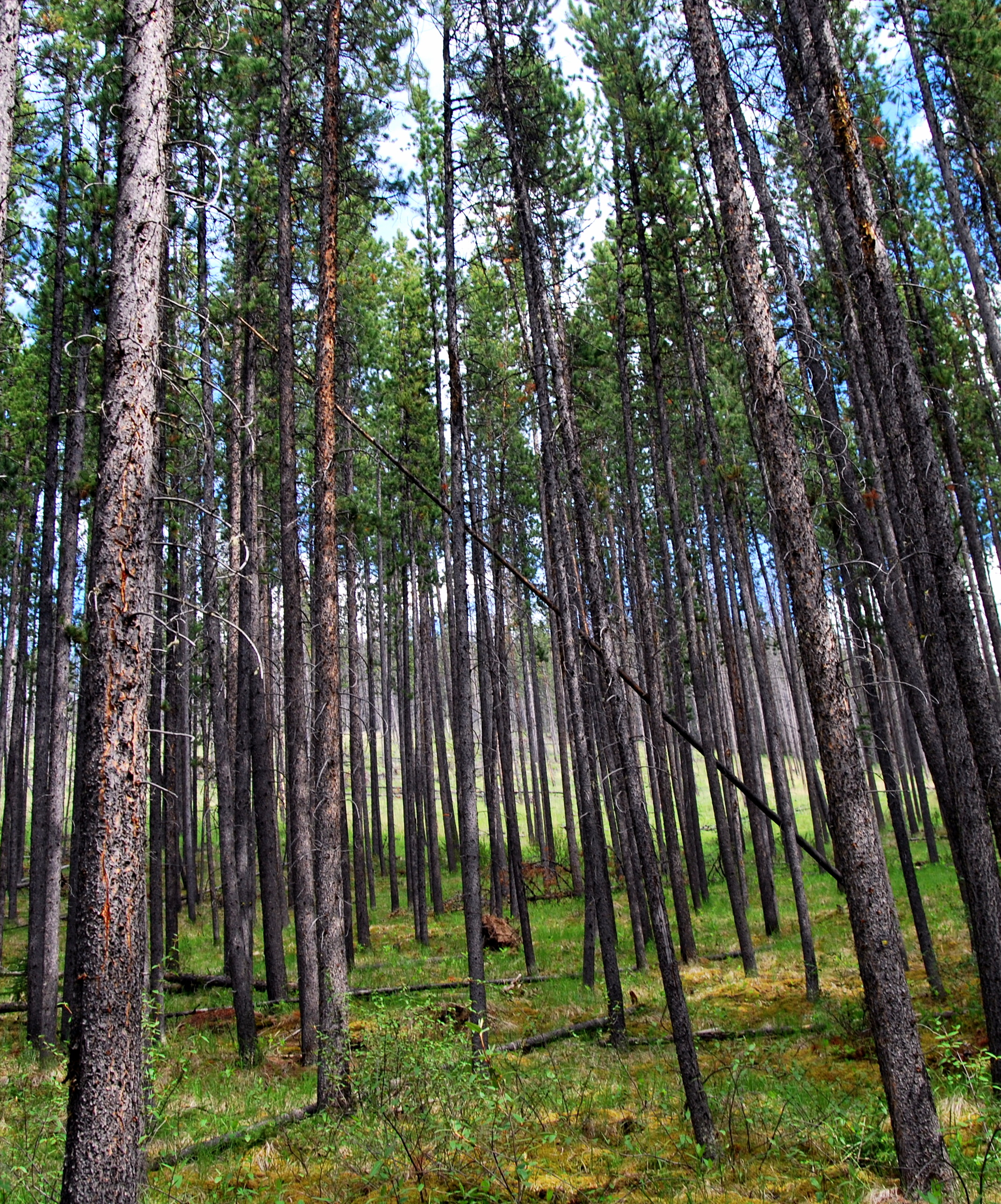
Community abundance patterns
Can species abundance patterns reveal underlying niche structure that
differs from neutrality? Neutral dynamics are based on demographic
stochasticity and immigration
and niche dynamics are generated by trait differences that affect
fitnesses of competing populations. We use a
stochastic
competition model to investigate differences that
arise in species abundance distributions between niche and neutral
communities. Collaborators: Annette Ostling, Gyuri Barabas, Rafael D'Andrea, and Trevor Bedford
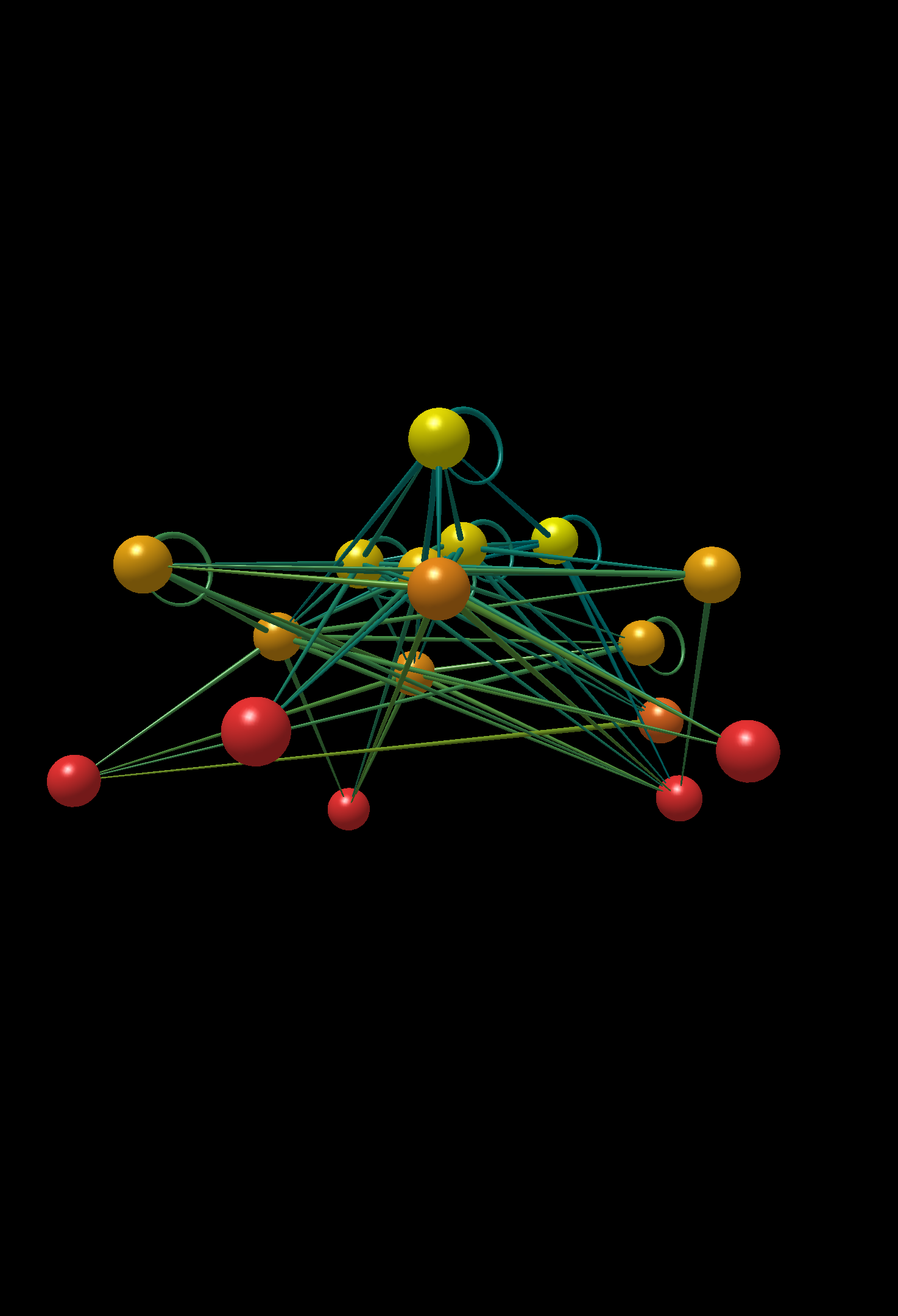
Food web evolution
Food webs are complex networks of who eats whom in an ecosystem.
By modeling the dynamics of these systems and the evolution of these
structures through time, we can explore the impacts of speciation and
adaptation on the properties of food webs. I am interested in how
species survival depends on the ecosystem context in which one arises,
and how it in turn, affects the species already present. By combining
evolution with ecological dynamics, we can study stability and
resilience of food webs in a more realistic setting.Collaborator: Neo Martinez

Evolution of competition
Evolution can change the expected outcome of
competition. When species are able to adapt quickly in the presence of
competitors, two competing species may be able to coexist stably, when
otherwise one would be expected to competitively exclude the
other. This scenario requires certain conditions on the speed of
evolution and the competition coefficients. We use evolutionary
game theory to model this and other changes that may arise in
competitive systems due to evolution. These models are inspired
by and compare favorably to scenarios that have arisen in competition
experiments with Tribolium
flour beetles. This is my dissertation work, advised by Jim Cushing and Tom Vincent in collaboration with Bob Costantino at the University of Arizona.